

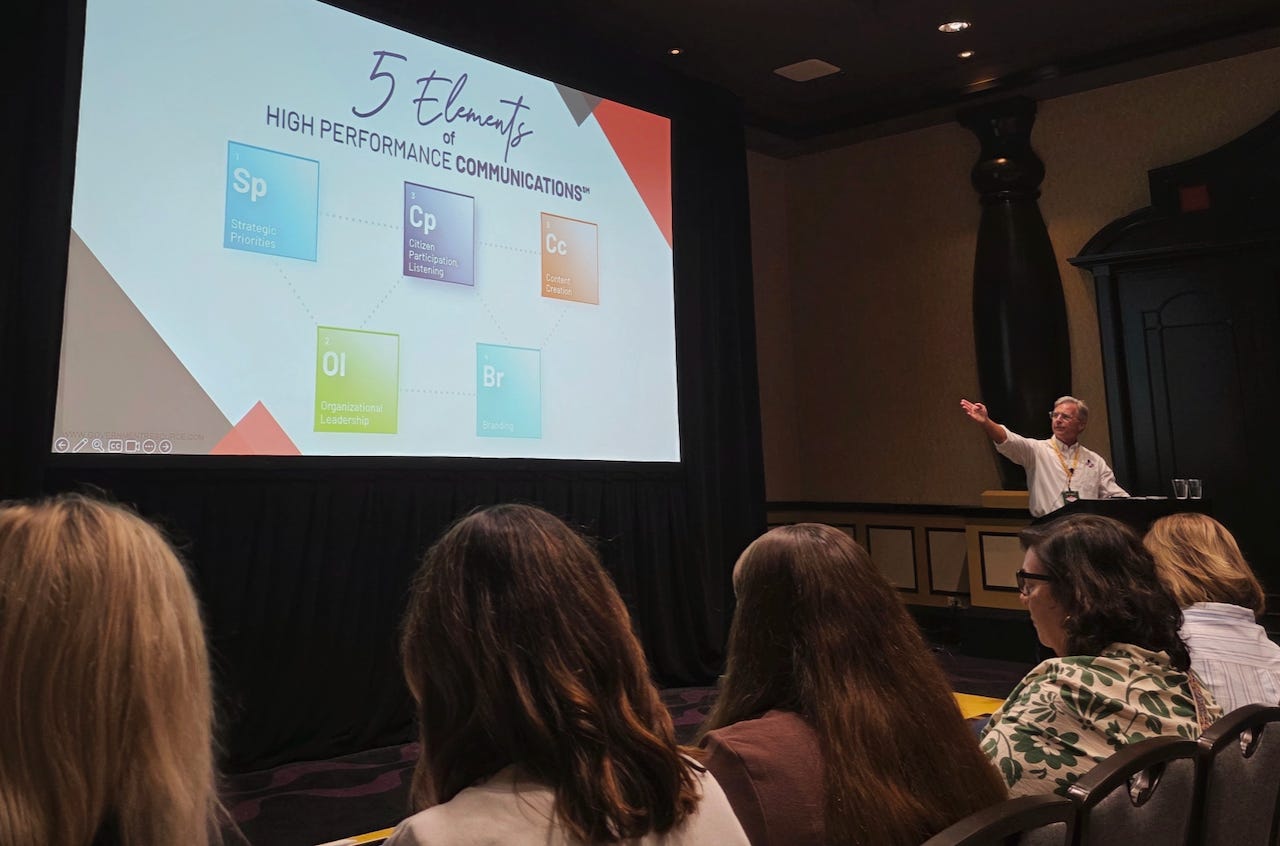
I was midway through a talk on the 5 Elements of High Performance Communications at last year’s 3CMA conference when folks began shifting in their seats. I had mentioned Round Rock, and the work its team does answering residents on social media, and I said something about the person who has led that work for more than a decade and gestured in his direction. Heads started to turn. People were looking for him!
I had not planned to recognize him during the session. But folks very clearly wanted to lay eyes on him, so I asked Austin Ellington to stand, and a packed meeting room of communicators from across the country gave him an ovation.
That’s not the typical response to a local government social media manager. It happened because the people in that room have seen and admired and tried to emulate his work for years. They wanted to see the face behind one of the most recognized brands in government social media.
This is the finale of a series on countering the negativity that comes standard with local government social media. Georgetown reshaped the conversation from the top. League City moved its critics out of the feed and into a classroom. Round Rock does the hardest thing of the three. It stays in the feed and wins it, comment by comment, for years. This post focuses on the craft you can see. Next week, we look inside the machine that makes it possible.
The hire
I hired Austin in 2015. Back then we had a small shop — I think there were five of us — and social media had outgrown what I could effectively handle among my duties as a director. It was time to make it a full-time job.
Austin came to us from the University of Texas System, a global brand in higher education, to serve a suburb of about 116,000 at the time. In his interview, he told me he wanted to be the voice of an organization. I told him, only half joking, that the voice was my job. But I handed it to him, and he made it his.
The welcome
In March I read a brand-focused Substack post about the Ritz-Carlton. A co-founder of the modern Ritz-Carlton, Horst Schulze, once combed through 400,000 guest comment cards looking for the moment that decided whether someone left happy or never came back. He found it was the first contact. When that first interaction was excellent, a complaint never followed. When it was poor, one always did.
So he made a rule. Within 10 feet of a guest, every employee stopped, made eye contact, and offered a genuine welcome. Not “hi,” which puts two people on equal footing, but “welcome,” which tells the other person you are there for them. A small thing that shaped everything after it.
I read that and immediately thought of Austin. For 11 years, someone has landed on Round Rock’s Facebook page angry, sometimes ugly, and gotten a version of the same opening. Thanks for taking the time to comment. Then a straight answer.
Why answer at all
Austin’s case for answering in a civil manner has little to do with simply being nice. A gracious, thoughtful reply does three critical jobs at once:
It speaks directly to the person who took the time to comment. Austin’s truly grateful because he sweats blood to create engaging content. And, he usually tags them by their first name, making it personal.
Next, it informs the crowd reading over the original commenter’s shoulder. In Round Rock, that crowd is huge. “The amount of people that are ‘popcorn reading’ in the social media comments is absolutely nuts,” he told me. One reply can pull hundreds of likes from people who never type a word.
Finally, the exchange feeds the post to more people, because the algorithm rewards engagement. Round Rock’s main Facebook page got 2 million engagements over the past 12 months.
So a reply is a distribution decision as much as a courtesy. Answering well separates good from great.
The craft
The tone is warm. The content is direct. Austin isn’t trying to make everyone happy. Sometimes an explanation won’t please a resident. But they will understand why the city is taking action.
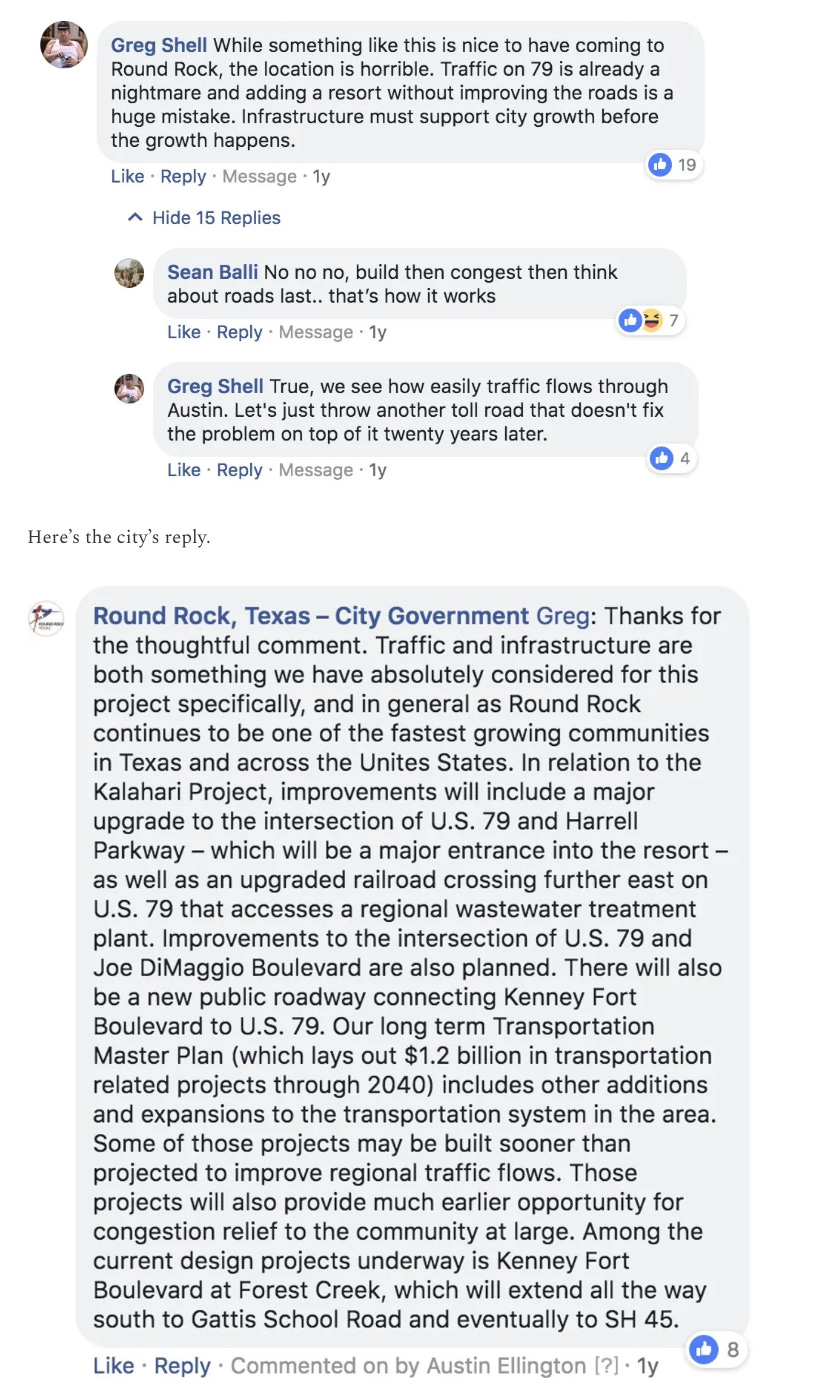
When Round Rock was considering the $600 million Kalahari resort and convention center, the questions came fast, many of them about traffic. The team built an FAQ and a series of blog posts that provided real answers, some of them long. Conventional social media wisdom says attention spans are too short for detailed explanations. Round Rock’s rule is simple: If someone asks, they deserve a complete answer, even when it runs long and even when the question arrives wrapped in a sneer (or two). To wit:
A resident scoffed during budget discussions last year the city had wasted “billions” on parks. Austin replied a large majority of residents felt otherwise, and pointed to the city’s own scientific survey, where 86 percent called parks a priority. He never told the person they were an outlier. The survey did.
Residents sometimes accuse the account of being a bot, because no human could answer this many people, this fast, with real information. Austin takes it as a compliment. “I appreciate the compliment that we are ChatGPT here, but we’ve just been doing this for a while,” he said.
And he knows when to stop. The back-and-forth can run forever, and past a point it’s … pointless. Austin lets it end. The exchange stays on the page, where the popcorn readers can still learn from it.
He is also clear-eyed about the platform and the algorithm. When a department asks for a post because it is, say, Stormwater Awareness Week, his honest answer is that nobody cares what week it is and the algorithm will punish the account’s reach for a boring post. People scroll for something funny or useful. So the stormwater message waits for the week a storm sits in the forecast, when it will resonate with residents.
The voice
The voice doing all this is warm, with a bit of a Texas accent and a wry streak, and it exists nowhere on paper. It lives in Austin’s head. He calls it “a little bit of a lucky happenstance” that his own voice happened to fit the city’s. One of the ways it fits is something we tell new Round Rock employees about our work culture: We take the work seriously, but we don’t take ourselves seriously. Having a good time at work is allowed.
That shows up in the feed on the regular. The playful content is what put Austin on the map with his peers. It’s the work that turned heads at 3CMA. He has particular fun with weather posts. To wit:
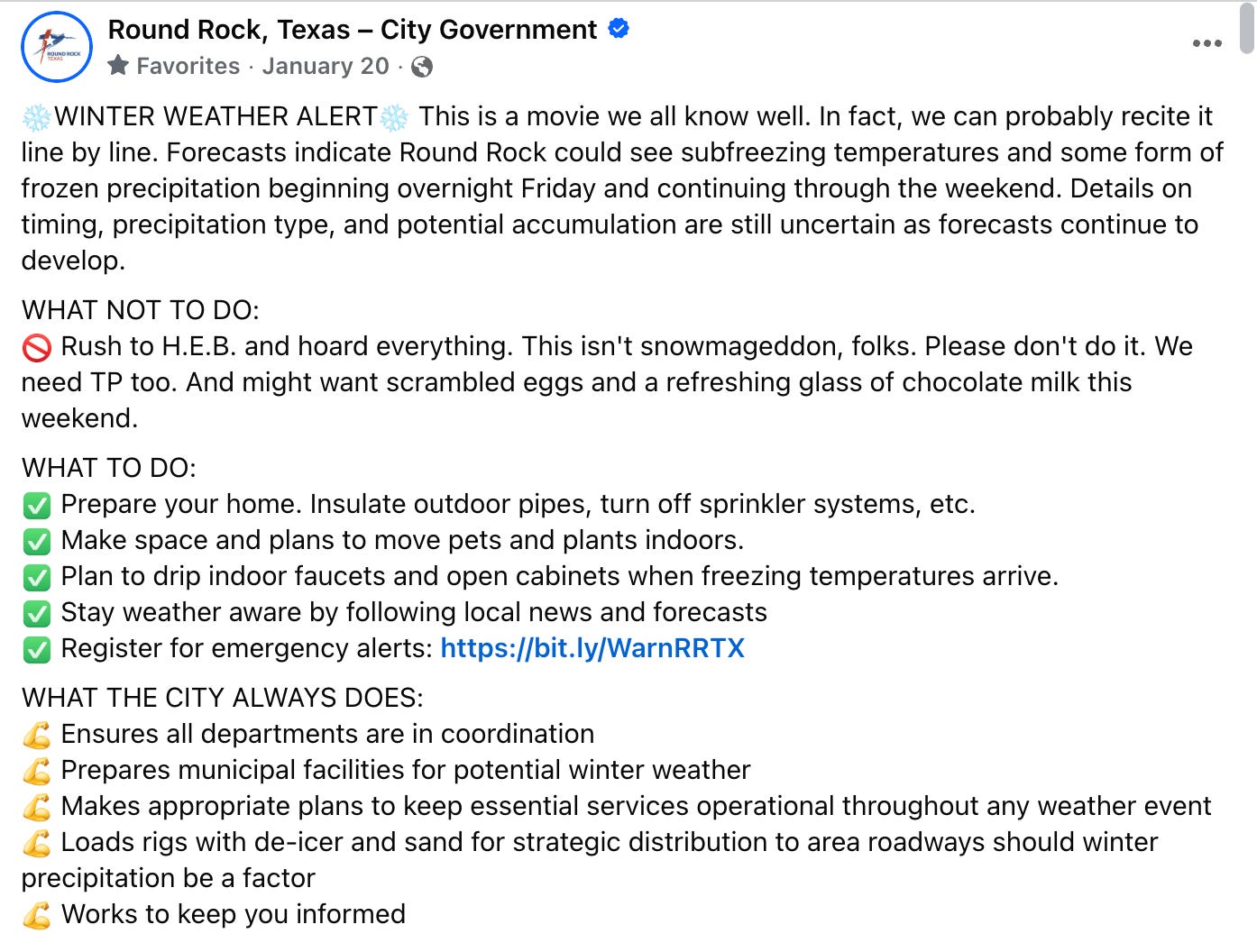
Then came the memes, movie stills captioned to capture the exact H-E-B stampede the city was gently asking residents not to join.


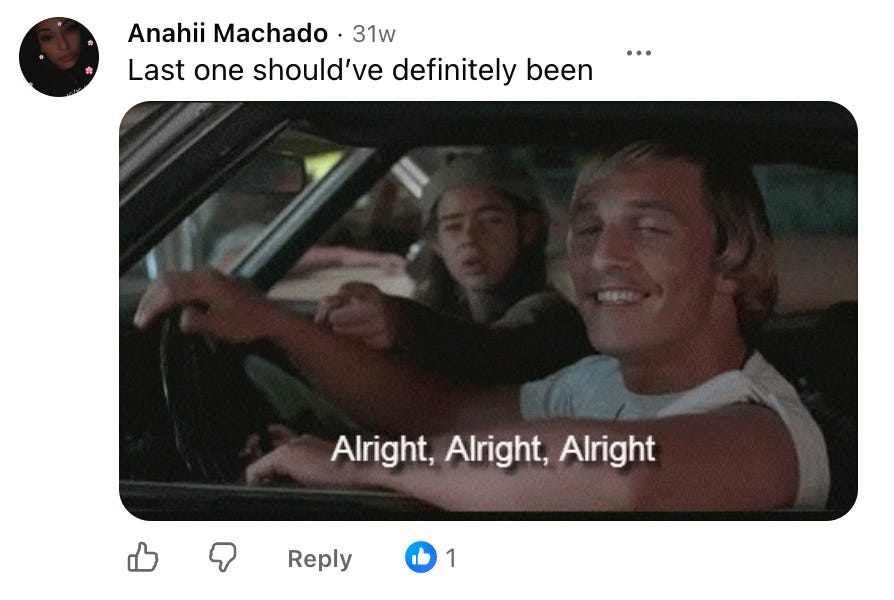
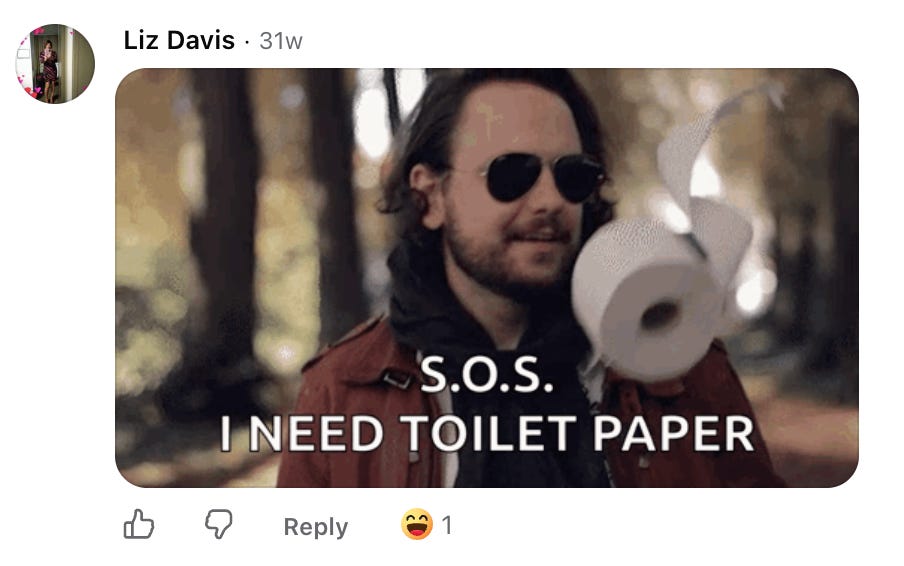
On these posts, the comments section often turns into what I call “GIF offs,” where readers trade fun memes. For example, the weather alert inspired these responses.
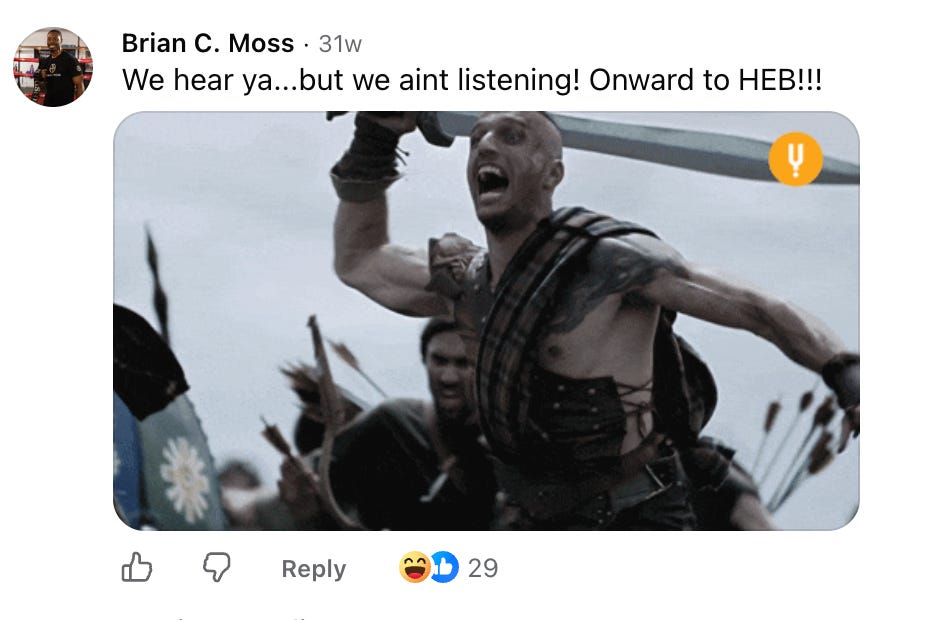
Austin’s humor and creativity have built a huge following, and that following is the reservoir he draws on when the mood turns ugly. The people who came for the weather memes are the same ones reading, and sometimes defending the city, when the Kalahari project or the tax rate lights up the comments.
That’s not a hypothetical. As I write this, the City’s page is taking a pounding over the proposed budget and tax rate, the hardest stretch of the civic calendar, and Austin is answering comment after comment with the same grace and specifics. If you haven’t seen it, do yourself a favor and check it out. This is local government social media done right.
A word about Facebook
And yet the platform is taking a lot of political and legal heat now, and some consider it “old” social media. Frankly, I have tired of it myself. I don’t spend the hours on it I once did when monitoring it daily was part of my job.
But if I were still the director in Round Rock, I would not let my own fatigue set the strategy. The city surveys its residents every two years, and they say plainly where they go for city news. In Round Rock, one of the top choices is Facebook. You go where the public’s eyeballs are. Your feelings about the app are irrelevant. You make it work on your terms, with your brand voice.
The cost
None of this is free. Eleven years of answering strangers takes a toll Austin is honest about. He has thick skin, he says, but the negativity rubs off, and the job never turns off. “I have been up on Saturday mornings and late on Friday nights responding to people about every variety of topics for many years,” he told me.
He still signs off with grace. One recent Saturday he closed out a critic with a line I love: it had been a pleasure responding to them “on this beautiful Saturday morning.” There is a real human behind the account, and he wants you to know it.
What holds it up
So how does this happen? How does Austin’s approach hold up? And how do we know it works, beyond my say-so and a roomful of applause?
Answers to those questions next week. We’ll share what happens behind the curtain that makes the welcome and the straightforward replies possible, and the receipts that prove it did.
Onward and Upward.
Wow ..
Haven’t worked in city government in years at this point but still fan-girling over the round rock comms team and, of course, the great Will Hampton!